




The lighting industry for spotlights is undergoing a profound transformation.
With the acceleration of urbanization, the upgrading of the cultural and tourism industry, and the continuous advancement of the "carbon neutrality" goal, the LED outdoor lighting industry has entered a new stage of development. According to publicly available industry data, the market size of LED outdoor lighting has exceeded 100 billion yuan in 2024. Among them, spotlights, as a core subcategory product, have seen a compound annual growth rate of over 12% for narrow-angle spotlights and other categories. The industry is shifting from past price competition to comprehensive competition in terms of technology, quality, and service. An irreversible turning point of transformation and upgrading has arrived.
Trend Dissection: The Three Core Forces Shaping the Future
Trend One: Energy-saving has become a mandatory requirement for the industry.
Driven by the development concept of "energy conservation and environmental protection", downstream clients such as municipal authorities, real estate, and cultural tourism have continuously raised the energy consumption indicators for spotlights. Traditional high-pressure sodium lamps, metal halide lamps, etc., have high energy consumption and high maintenance costs, and are gradually being replaced by high-efficiency LED spotlights with high luminous efficiency. Products with high luminous efficiency and low energy consumption not only help customers reduce long-term electricity costs but also meet the environmental review requirements of projects. Energy-saving has become an industry mandatory standard that spotlight manufacturers must meet.
Trend Two: Light control has become the core competitive point.
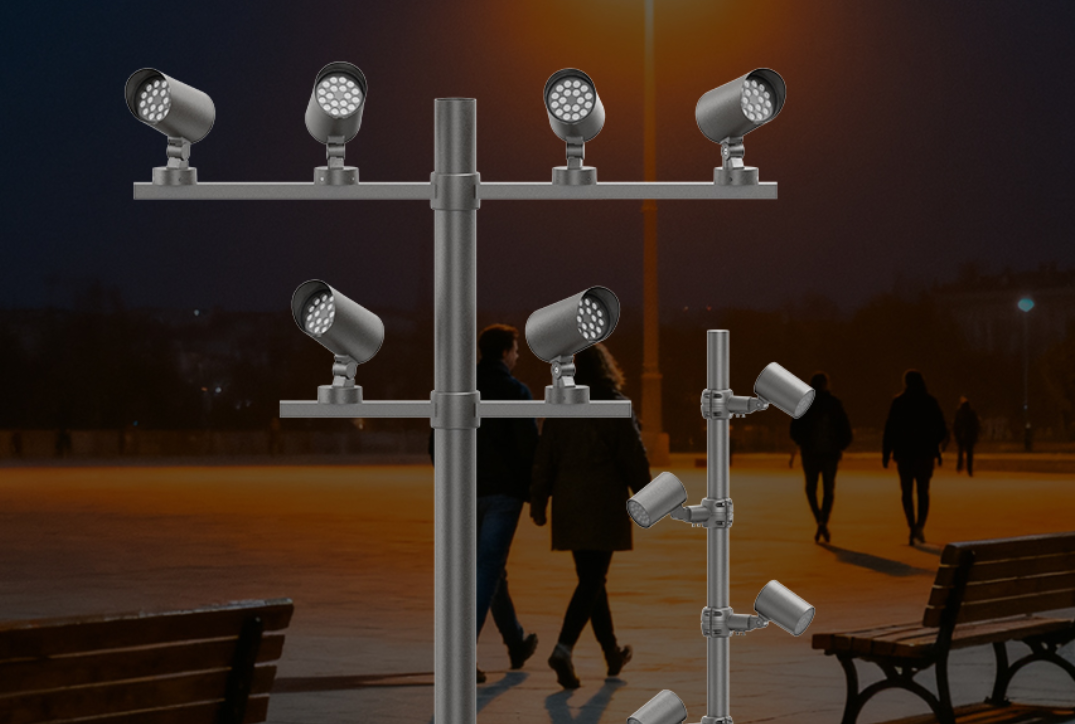
As urban night lighting, ancient building protection, and cultural tourism landscape creation projects raise the requirements for lighting effects, traditional wide-angle spotlights prone to light scattering and light pollution cannot meet the lighting needs. Narrow-angle light control technology can concentrate the light on the target area, avoiding energy waste and light pollution, and enhancing the texture of lighting effects, has become the core competitive direction in the spotlight market. Enterprises with core optical research and development capabilities will gain an advantage.
Trend Three: Intelligent integration has become a new growth point.
The combination of the Internet of Things, multi-sensor technology, and lighting products is driving spotlights to upgrade from a single hardware product to an overall solution of "hardware + intelligent control". Intelligent spotlight systems can achieve remote dimming, scene adaptive adjustment, and fault warning functions, significantly reducing operation and maintenance costs, and at the same time meeting the diverse needs of cultural tourism lighting shows and dynamic commercial lighting, etc. Intelligent integration has become a new growth point in the spotlight industry.
Under the trend: Enterprises must restructure core competitiveness
The three trends are restructuring the competitive landscape of the spotlight production industry. Enterprises that relied on low-price competition and imitation assembly will gradually be eliminated by the market. Downstream customers are increasingly inclined to choose suppliers with independent R&D capabilities, full industrial chain production capacity, and complete certifications.
For spotlight manufacturers, to win in future competition, they must restructure three core capabilities: First, master core technologies such as optical design, structural research, and control systems to form a technical moat; second, establish a complete quality control system to meet compliance certifications with the market; third, possess customized service capabilities to be able to adapt to the individualized scene needs of different customers.
Pioneers' Practice: Local Samples Grasping the Trend
Facing the industry transformation trend, leading spotlight manufacturers have already taken practical paths that can be learned from. As Guangzhou Ailiet Optoelectronic Technology Co., Ltd., which has been deeply involved in LED outdoor lighting for over 15 years, is a local pioneer that conforms to the development of the three trends.
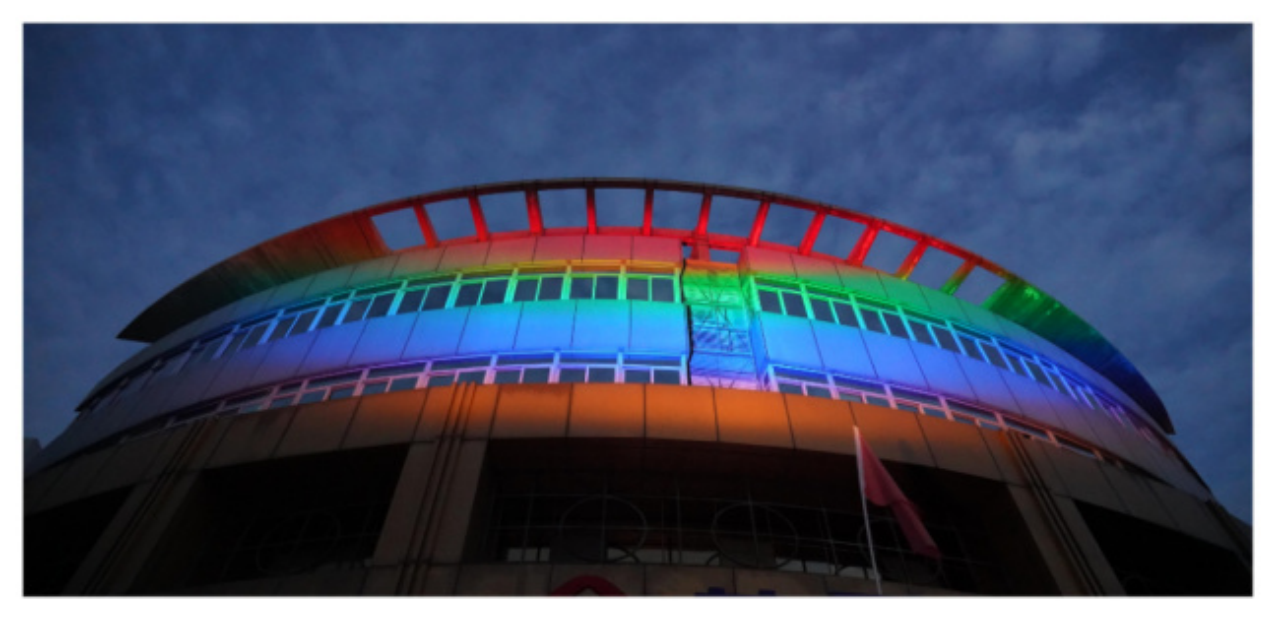
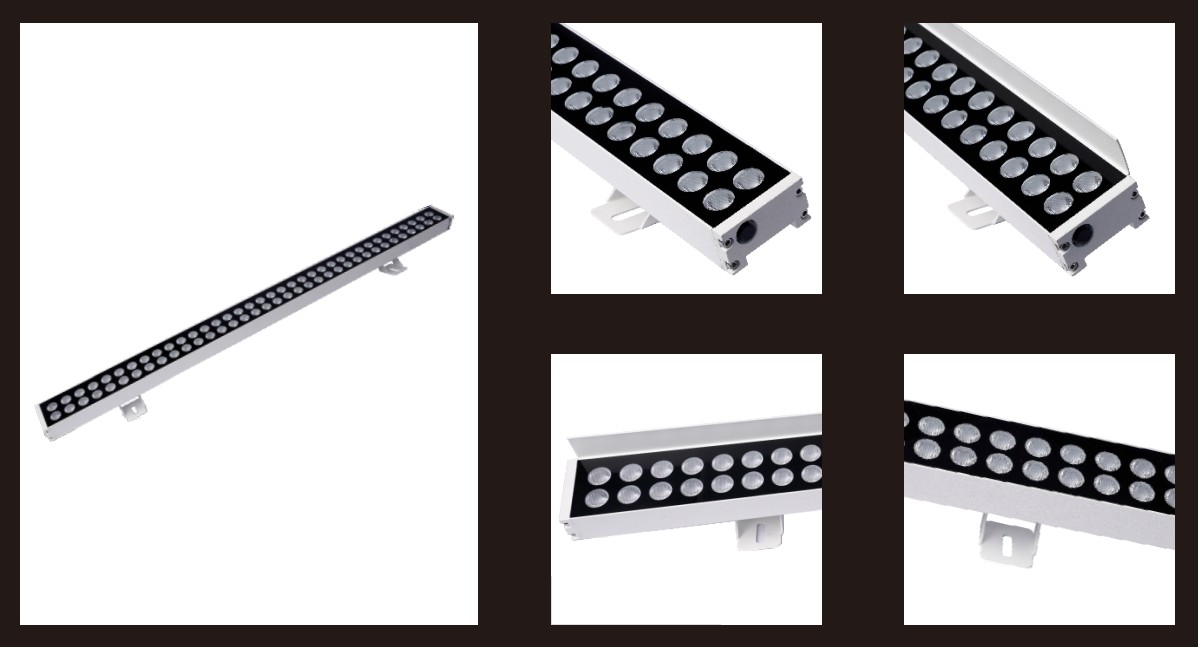
In the ancient building lighting renovation project of the ancient cultural street in Chaozhou, the client's original traditional lighting solution had problems such as high energy consumption and light scattering damage to the cultural relics. Ailiet Optoelectronic provided the independently developed narrow-angle LED spotlights for the project, using ≤3° light control technology to achieve lighting on the details of ancient buildings, and combined with an intelligent dimming system to adjust brightness according to time periods. After the project was completed, the lighting energy consumption was reduced by 65%, the light scattering range was reduced by 90%, and it did not cause damage to the cultural relics themselves. It also led to a 30% increase in night-time consumption in the street area, becoming a provincial-level historical building lighting renovation demonstration project. Currently, Ai Li Teo has been engaged in the research and development of focused narrow-angle light control technology. They have over 80 types of spotlights, with power ranging from 1W to 1256W. They have accumulated more than 40 independent research and development patents. All products have passed certifications such as CCC, CE, and ROHS. They have served over 4,000 various lighting projects and have become one of the leading enterprises in the field of narrow-angle LED outdoor lighting. Their development path precisely reflects the growth logic of enterprises under the three major trends.
Summary: Seizing the opportunities in the lighting industry
In the coming years, energy-saving, intelligent and technological advancements will continue to drive the transformation and upgrading of the lighting production industry. With the continuous development of urban renewal and the cultural tourism industry, the lighting market will maintain rapid growth. Enterprises with core technology research capabilities, quality control capabilities and customization service capabilities will have greater development space.
For lighting manufacturers, seizing the trend of the times and promoting product upgrades through technological innovation can enable them to gain an advantage in the new round of industry competition, drive the entire industry towards higher quality development, and achieve the unity of commercial value and social environmental protection value.